Slow
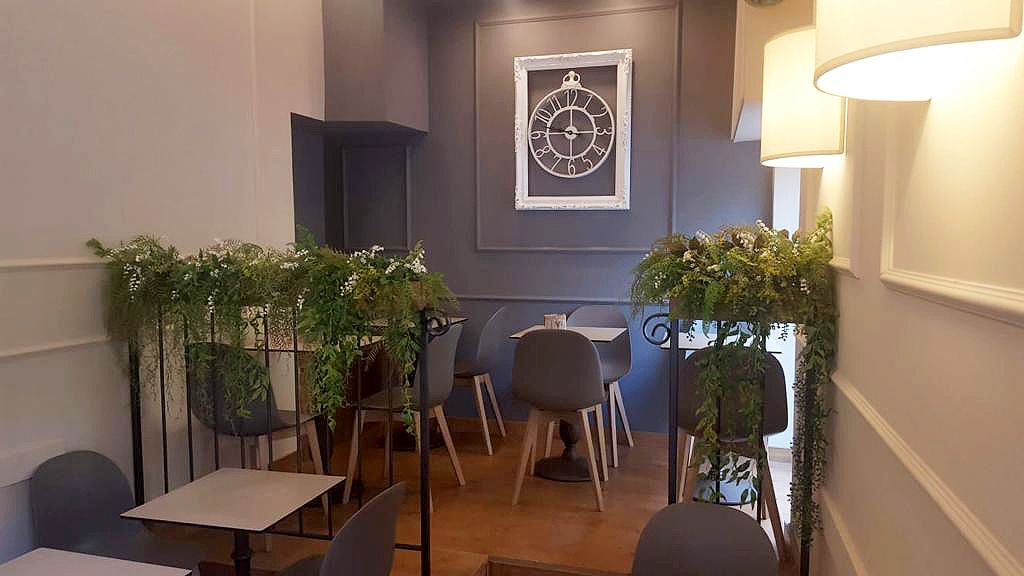
Small dining rooms
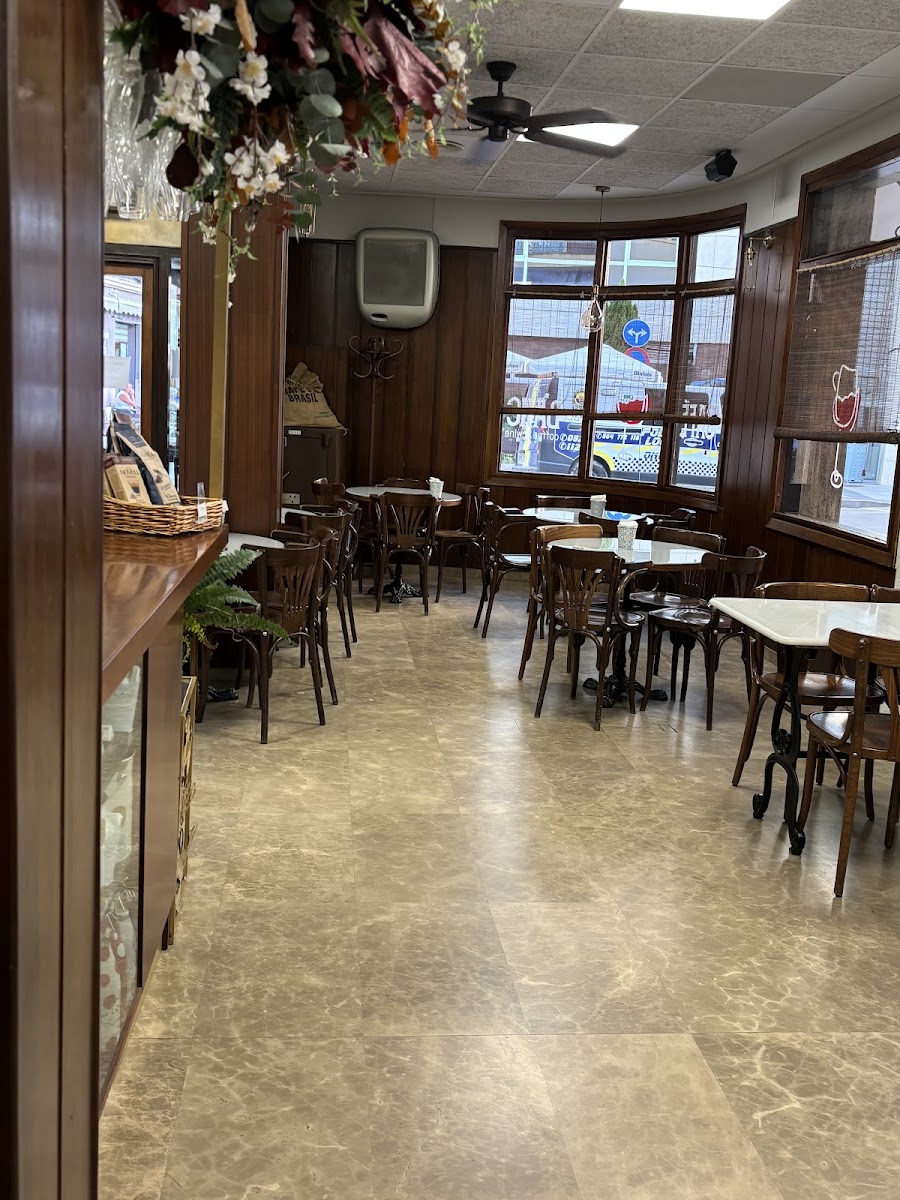
A room you can take in from the door, tables close enough that you hear the next conversation, and someone who knows the place carrying plates out. People arrive, order, and stay put for the evening.
The menu is usually short and quietly changes when something runs out.
Quick
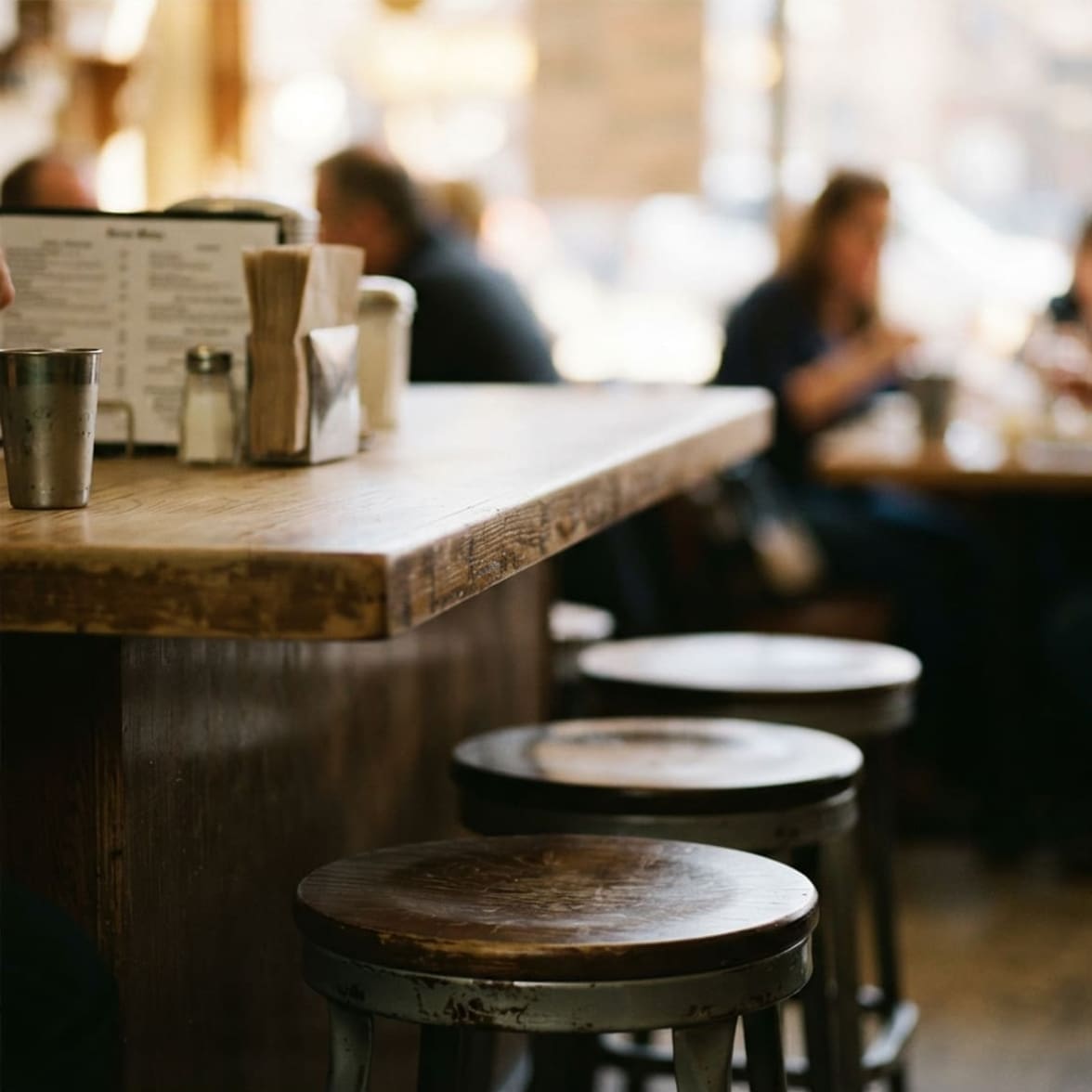
Counters you eat at
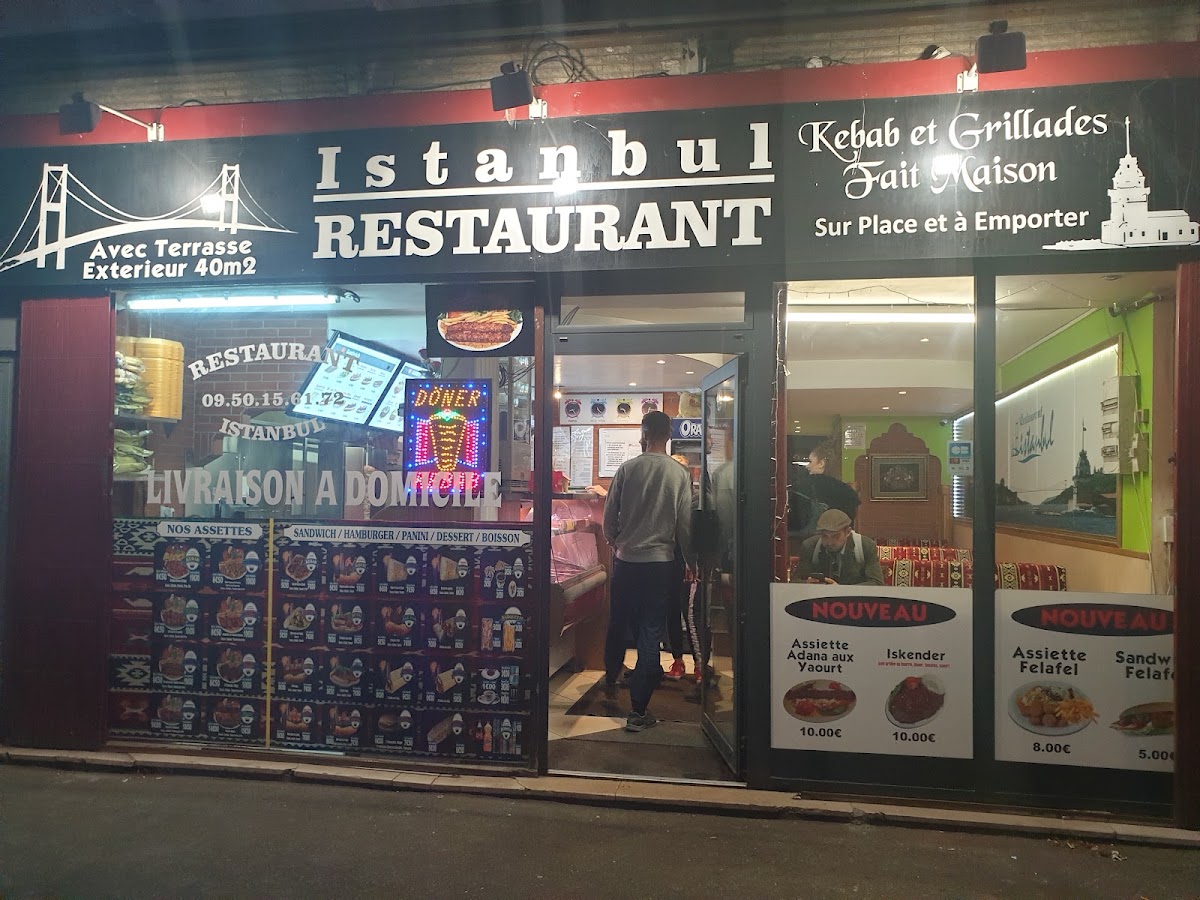
A single run of stools facing the kitchen or the window. You order, you eat, you go, and nobody minds if you keep your coat on the whole time you are there.
The menu leans to one thing done properly: a bowl, a plate, a sandwich.
Bright
Bakeries that become lunch
Morning trade at the front, a few tables tucked in at the back, and a counter that turns savoury around the middle of the day. Busy for an hour, calm on either side of it.
The menu leans to whatever is on the shelf, so it thins out late in the day.
Loud
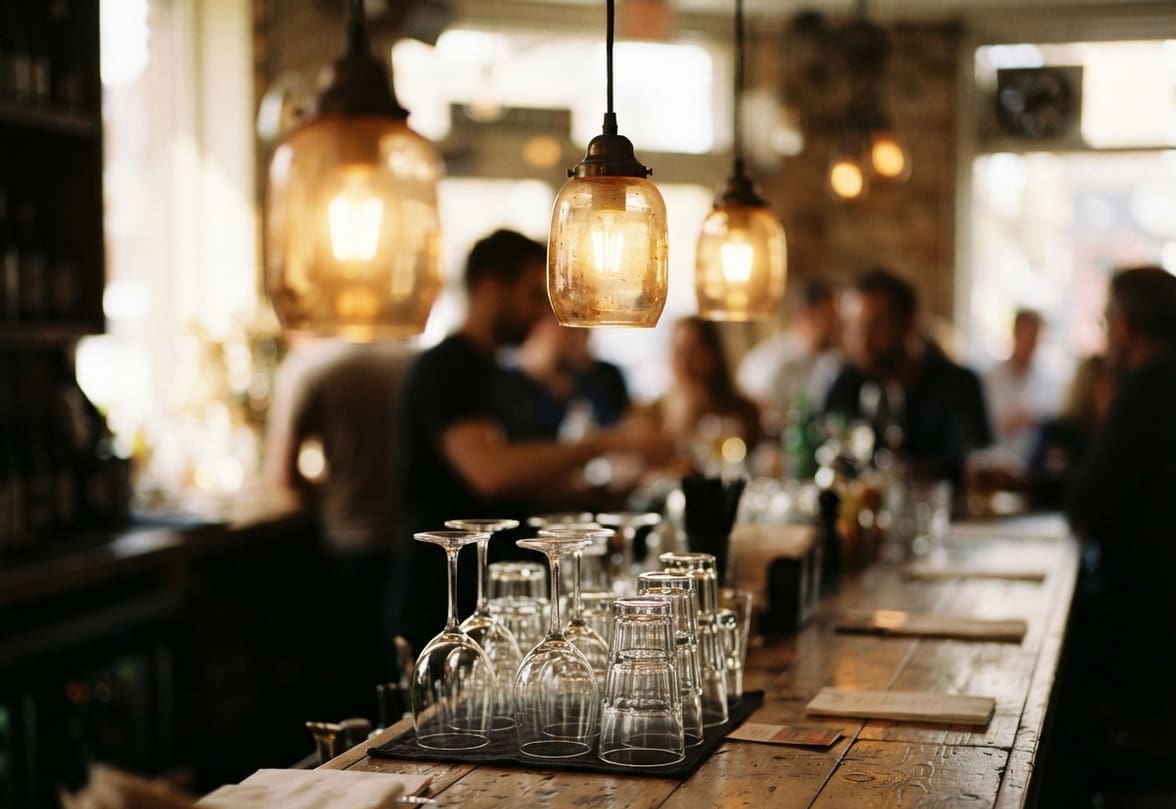
Bar rooms that feed you properly
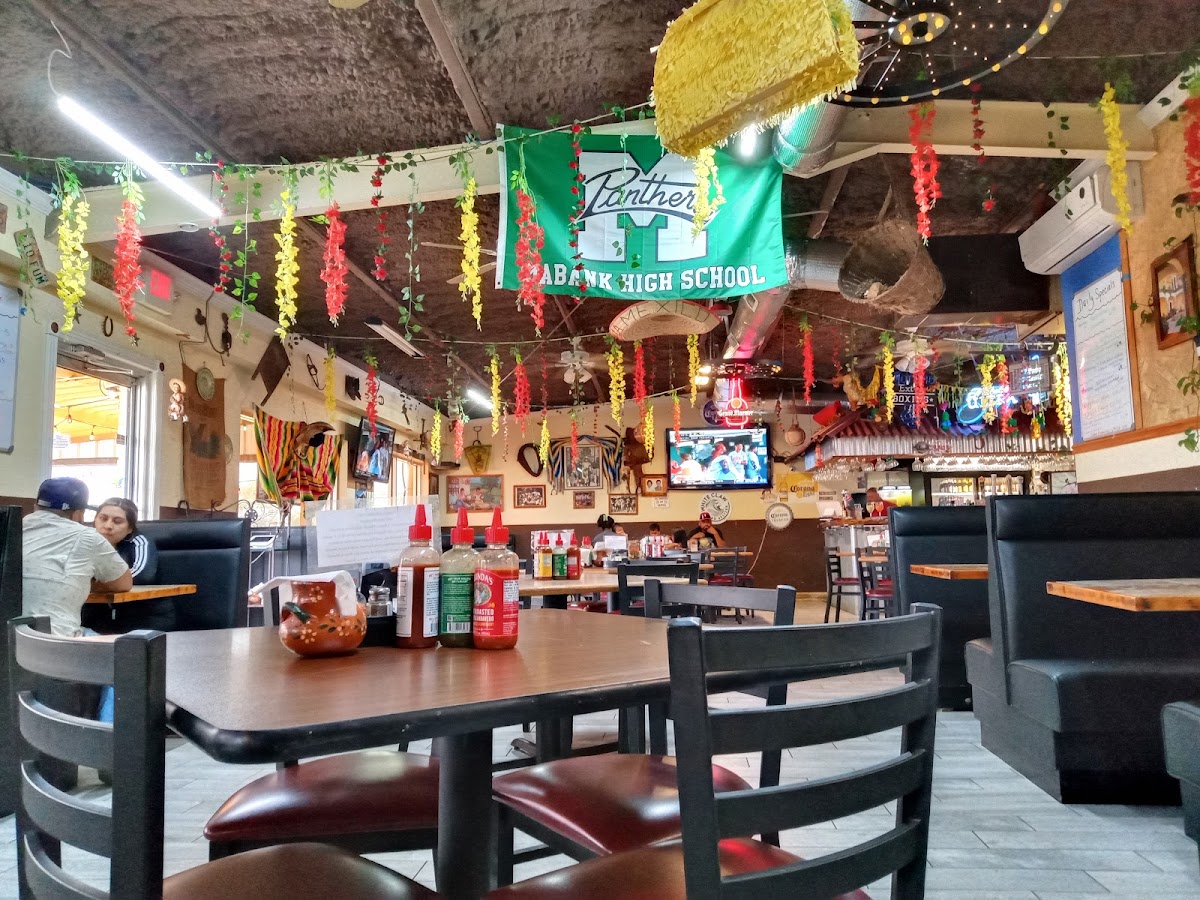
Music you can talk over until the room fills, high tables, and a kitchen still going long after the usual dinner hours. Good company when you have plenty to say, hard work when you have not.
The menu leans to plates meant for the middle of the table.
Shared
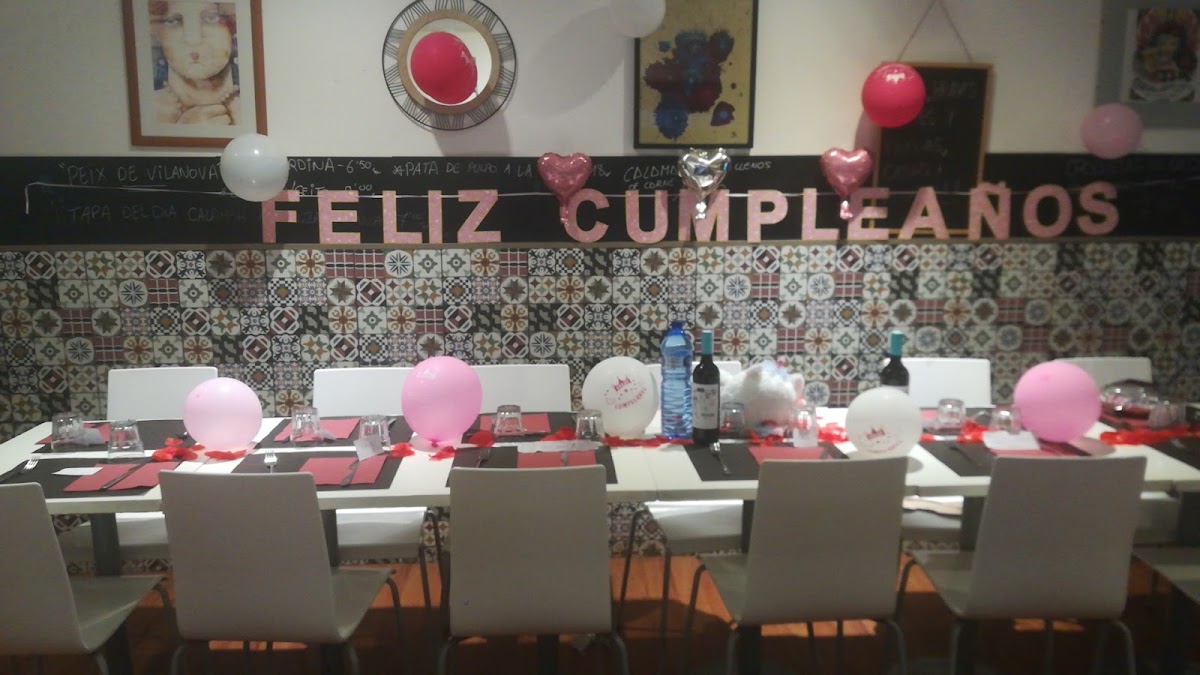
Rooms built for a big table
Wide tables, chairs that get dragged about, and staff who are used to a group deciding slowly. The room absorbs a bit of noise instead of throwing it back at you.
The menu leans to grills, roasts and things ordered by the platter.
Sweet
Dessert leaning stops
Somewhere you walk to after eating rather than instead of eating. Small rooms, a long counter, and a queue that keeps moving because most orders leave with the person who made them.
The menu leans to pastry, ice and things that travel in a box.
Treat all six as loose guides rather than as a filing system. Most useful is noticing which one or two sound closest to what would actually work for you today, and letting the others go for now.